

Owning a rental house, seasonal property, or vacant home in Texas can come with unique risks. While a standard homeowners insurance policy may be designed for owner-occupied residences, properties that are rented out or left unoccupied for extended periods often have different insurance needs. That is where Dwelling Fire Insurance may play an important role.
At Steve White Insurance, we help Texas property owners explore insurance options that align with their specific situations. Whether you own a single rental home, multiple investment properties, or a vacant residence awaiting sale or renovation, understanding how Dwelling Fire Insurance works can help you make informed decisions about protecting your investment.
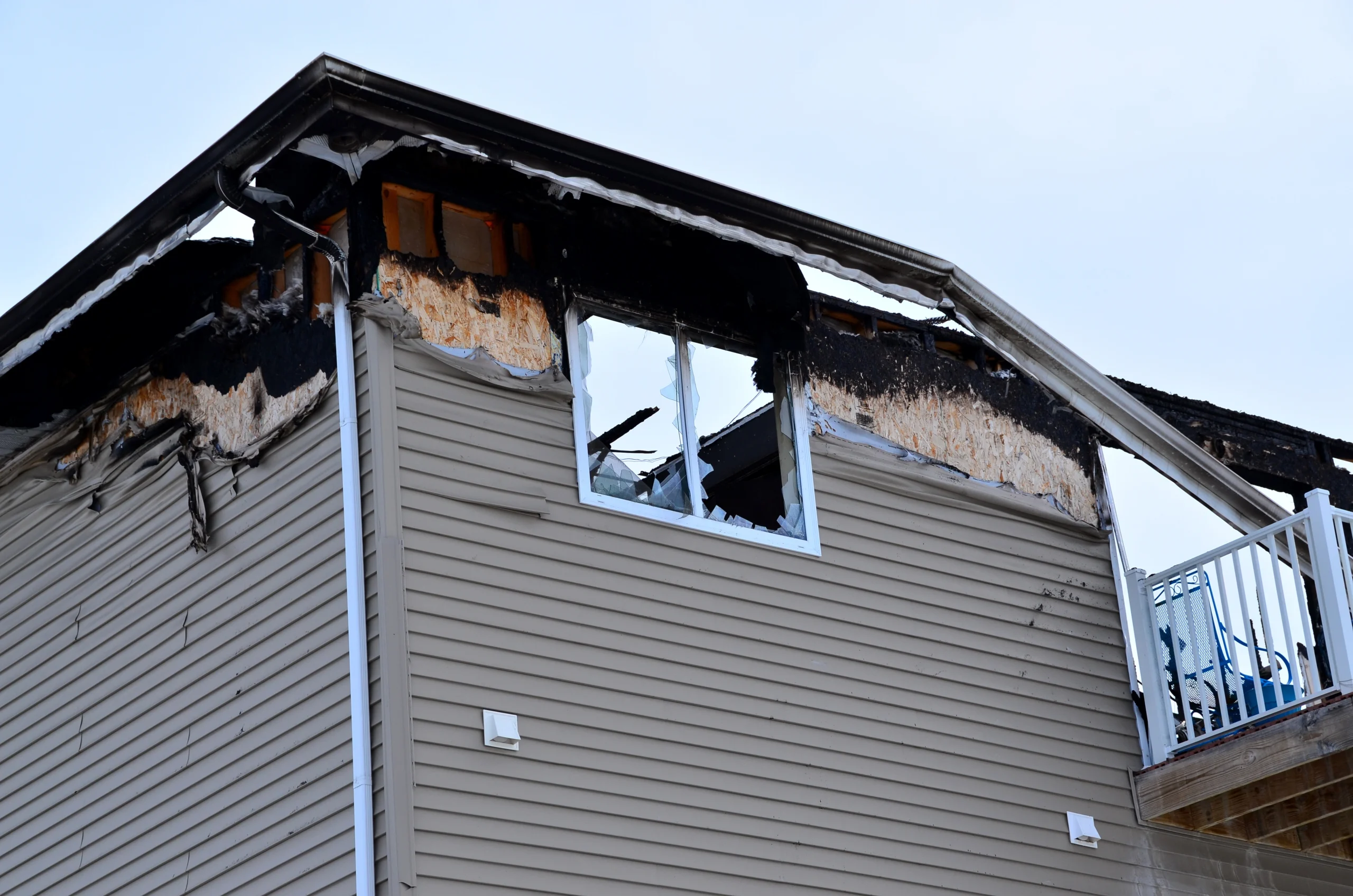
What Is Dwelling Fire Insurance?
Dwelling Fire Insurance is a type of property insurance that is often considered for homes that are not occupied by the owner. It may be used for rental properties, vacant homes, seasonal residences, or other non-owner-occupied dwellings.
Depending on the policy and insurer, Dwelling Fire Insurance may help address certain risks involving the structure itself and, in some cases, other related property exposures. Coverage options, limits, exclusions, and endorsements can vary, making it important to review policy details carefully.
For many Texas property owners, Dwelling Fire Insurance offers an alternative to traditional homeowners insurance when a property does not meet the occupancy requirements of a standard homeowners policy.
Why Might Rental Property Owners In Texas Need Dwelling Fire Insurance?
Rental properties can present challenges that differ from owner-occupied homes. Landlords typically rely on tenants to occupy and care for the property, which can create unique exposure to property damage and liability concerns.
A Dwelling Fire Insurance policy may be considered for:
- Single-family rental homes
- Duplexes and small residential rental properties
- Long-term rental residences
- Seasonal rental properties
- Investment homes
Property owners may also have financial interests tied to rental income and ongoing maintenance costs. Because every rental situation is different, working with an experienced insurance agency can help identify policy options that fit the property’s intended use.
At Steve White Insurance, we work with Texas property owners to review available coverage solutions and explain how different policy features may apply to rental properties.
How Can Dwelling Fire Insurance Help Protect Vacant Homes?
Vacant homes often face risks that differ from occupied residences. A property that sits empty for weeks or months may be more vulnerable to issues such as vandalism, theft, weather-related damage, or undetected maintenance problems.
Many standard homeowners policies may include restrictions or limitations when a property remains vacant for an extended period. As a result, some property owners explore Dwelling Fire Insurance in Texas as a potential solution for vacant residences.
Examples of vacant properties may include:
- Homes listed for sale
- Properties undergoing renovations
- Inherited homes awaiting occupancy
- Seasonal residences left unoccupied for long periods
- Investment properties between tenants
Because insurers may define vacancy differently, it is important to discuss occupancy status and intended use with your insurance professional before selecting a policy.

What Types Of Protection May Be Available Through A Dwelling Fire Policy?
The exact protections available through a Dwelling Fire Insurance policy can vary by carrier and policy form. Some policies may offer protection for the dwelling itself, while others may include optional coverages or endorsements for additional needs.
Depending on the policy selected, available options may relate to:
- The home’s physical structure
- Other structures located on the property
- Personal property used to service the rental property
- Certain loss of rental income situations
- Liability-related exposures
Not every policy includes the same features, and exclusions may apply. Reviewing available options with a trusted Texas insurance agency can help clarify what protections may be available for your property.
Steve White Insurance can help explain policy differences and assist you in comparing available Dwelling Fire Insurance options.
How Is Dwelling Fire Insurance Different From Homeowners Insurance?
One of the most common questions property owners ask is how Dwelling Fire Insurance differs from a traditional homeowners policy.
In general, homeowners insurance is often intended for owner-occupied residences where the policyholder lives in the home as a primary residence. Dwelling Fire Insurance, on the other hand, is frequently used for properties that are rented, vacant, seasonal, or otherwise not occupied by the owner.
Because the intended use of the property differs, policy structures, eligibility requirements, and available coverage options may also differ.
For Texas landlords and property investors, understanding these distinctions can help avoid potential coverage gaps and ensure the property is insured appropriately for its occupancy status.
What Factors Can Affect Dwelling Fire Insurance In Texas?
Several factors may influence the cost and availability of Dwelling Fire Insurance coverage in Texas.
Insurers may consider factors such as:
- Property location
- Age and condition of the home
- Construction type
- Occupancy status
- Claims history
- Property value
- Safety features and updates
- Proximity to fire protection services
Texas weather can also play a role. Property owners throughout the state may face risks associated with windstorms, hail, severe thunderstorms, and other weather-related events. Insurance needs can vary significantly based on where the property is located and how it is being used.
Because every property presents a different risk profile, obtaining a personalized insurance review can be a valuable step in evaluating available options.
How Can Steve White Insurance Help Texas Property Owners?
Choosing the right insurance for a rental or vacant property involves more than simply comparing prices. It requires understanding how the property is used, identifying potential exposures, and reviewing policy options that align with your goals.
At Steve White Insurance, we work with property owners throughout Texas to help them explore Dwelling Fire Insurance solutions for rental homes, vacant properties, and investment residences. Our team can answer questions, explain policy options, and help you navigate the insurance selection process with confidence.
Whether you own one rental home or a growing portfolio of investment properties, having the right insurance strategy in place can be an important part of protecting your financial investment.

Ready To Explore Dwelling Fire Insurance In Texas?
If you own a rental property, vacant home, or investment residence, now is a great time to review your insurance needs. The right policy can vary based on occupancy, location, and the specific characteristics of the property.
Steve White Insurance is here to help Texas property owners evaluate their options and find coverage solutions that fit their unique situations. Contact our team today to learn more about Dwelling Fire Insurance in Texas and request a personalized quote.