

When cooler weather arrives, many Texans start preparing for the season ahead. While Texas winters are usually milder than those in northern states, sudden cold snaps, ice storms, and freezing temperatures can still create challenges for homeowners. Taking a few simple steps to winterize your home can help reduce risks and provide peace of mind. At Steve White Insurance, we want to share helpful tips for Texas homeowners as you prepare for winter.
Why Is Winterizing Important for Texas Homes?
Texas homes are often built with warmer climates in mind, which means they may be more vulnerable to unexpected freezing conditions. A burst pipe, damaged roof, or malfunctioning heating system can quickly lead to costly repairs. Winterizing your home is not only about comfort but also about protecting your property from potential damage during extreme weather events.
How Can You Protect Your Pipes From Freezing?
Frozen pipes are one of the most common winter issues in Texas homes. When water freezes, it expands, which can cause pipes to burst. Here are some practical ways you can help protect your plumbing system:
- Insulate exposed pipes: Use foam pipe covers or heat tape in areas such as garages, crawl spaces, and attics.
- Let faucets drip: Allowing a slow drip of water during freezing nights can keep pipes from freezing solid.
- Open cabinet doors: This lets warm air circulate around plumbing under sinks.
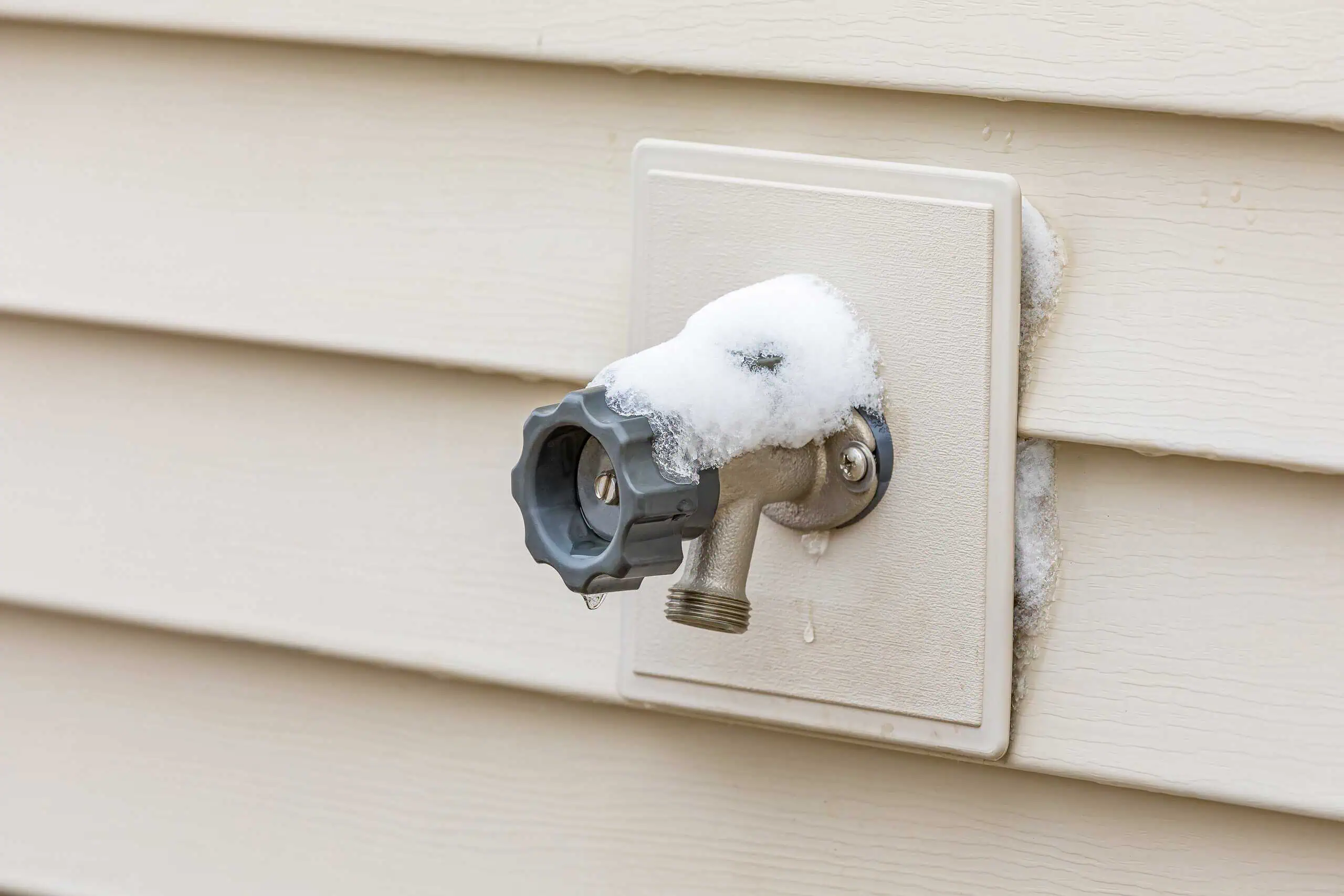
- Disconnect garden hoses: Remove hoses from outdoor faucets and consider installing faucet covers.
A little preparation can go a long way in helping reduce the risk of water damage inside your home.
What Steps Should You Take to Maintain Your Heating System?
Your heating system plays a crucial role in keeping your home comfortable and safe during winter. To make sure it’s ready for the season:
- Schedule an inspection: Have a professional check your furnace, heat pump, or other heating equipment.
- Replace filters: A clean filter helps your system run efficiently.
- Check vents and ducts: Make sure airflow is unobstructed.
- Test your thermostat: Confirm it is working properly before cold weather sets in.
Regular maintenance not only helps with comfort but may also extend the life of your equipment.
How Can You Prepare Your Roof and Gutters?
Texas storms can bring ice, wind, and heavy rain, all of which can affect your roof and gutters. Taking preventive steps can help reduce potential issues:
- Inspect your roof: Look for missing shingles, cracks, or other visible wear.
- Clean gutters and downspouts: Clear leaves and debris to help prevent ice dams and water buildup.
- Trim nearby trees: Overhanging branches can break during storms and cause damage.
- Check attic insulation: Proper insulation may help prevent heat loss and reduce the risk of ice formation on the roof.
By addressing small maintenance tasks before winter arrives, you can help protect your home from leaks or structural concerns.
What Can You Do to Improve Energy Efficiency?
Winterizing your home also means keeping energy costs manageable. Energy efficiency steps may include:
- Seal windows and doors: Use weather stripping or caulking to reduce drafts.
- Close curtains at night: This helps keep warm air inside.
- Use ceiling fans: Reversing the fan direction can push warm air back down into the room.
- Adjust your thermostat: Lowering it slightly at night can help save energy.
These measures can not only improve comfort but may also help lower utility bills during the colder months.
How Should You Prepare the Exterior of Your Home?
While much attention goes to the inside, the exterior of your home also benefits from winterization:
- Protect outdoor faucets: Install faucet covers and shut off water lines if possible.
- Cover plants: Use frost cloths or blankets to shield landscaping from freezing temperatures.
- Check outdoor lighting: Ensure pathways and entryways are well lit for safety.
- Store outdoor furniture: Protect patio sets and grills from winter weather.
Taking care of these details can help maintain both the function and appearance of your property.
What Emergency Preparations Should You Consider?
Texas weather can change quickly, and being prepared for an unexpected winter storm can make a difference:
- Keep an emergency kit: Include flashlights, batteries, blankets, bottled water, and non-perishable food.
- Have backup heat options: Portable space heaters or a fireplace can be helpful, but always use them safely.
- Charge devices: Keep phones and power banks charged in case of power outages.
- Know where to shut off utilities: Familiarize yourself with how to turn off water, gas, and electricity.
Planning ahead may help you stay safe and more comfortable during severe weather.
How Can Homeowners Insurance Support Texas Residents in Winter?
While prevention is key, sometimes unexpected events still occur. Homeowners insurance can play an important role in helping Texans recover from winter-related damage. Coverages vary, but some policies may provide protection for damage caused by frozen pipes, roof issues, or other storm-related incidents. Every home and family has unique needs, so reviewing your policy with an insurance professional is a smart step.
At Steve White Insurance, we work with Texas homeowners to help them understand their options and ensure their policy is suited for their situation. If you have questions about your current coverage or want to explore homeowners insurance solutions, our team is here to help.
What Is the Next Step in Protecting Your Texas Home?
Winterizing your home may take some planning, but the benefits can be significant. By addressing small maintenance tasks now, you can help safeguard your property, stay comfortable, and potentially reduce costly repairs.
If you would like guidance on homeowners insurance in Texas, Steve White Insurance is available to assist. Contact us today to schedule a policy review or learn more about how we can support your insurance needs.